

 Main menu
The Modern “Right-Hand”: The New AI Playbook for Peak Performance
Do you ever feel like your to-do list is running the show—and you’re just trying to keep up? In a work culture that moves as fast as a New York minute, relying on effort alone is no longer enough. Research shows that employees spend nearly 40% of their time on repetitive, low-value tasks—time that could be channeled into deep thinking, creativity, and meaningful problem-solving.
Productivity tools have come a long way—from handwritten planners to cloud-based ecosystems. Today, artificial intelligence (AI) is emerging as a game-changing force, reshaping how we plan, produce, and perform. Think of it as having a supercharged digital sidekick—one that learns from you, adapts to your rhythm, and helps you work at your highest level.
What Exactly Are AI-Powered Productivity Assistants?
AI-powered productivity assistants use machine learning and natural language processing to analyze your patterns, automate your tasks, and anticipate what you need before you even ask. They function like a personal chief of staff—smart, proactive, and always one step ahead—giving individuals and teams a smoother, faster path to getting things done.
The Most Impactful Types of AI Productivity Assistants
AI has reshaped the productivity landscape, offering tools that lighten your workload and amplify your impact. Here are the categories leading the modern workplace revolution:
- Smart Task Management: These tools organize your workflow, assign priorities, track progress, and highlight bottlenecks long before they become problems.
- Optimized Scheduling: AI tools analyze your calendar, meeting history, work patterns, and team availability to find the ideal meeting slot—eliminating the need for back-and-forth emails.
- Intelligent Content Summarization: Long documents become crisp, digestible summaries that spotlight key ideas, helping you make better decisions in less time.
Popular AI Productivity Tools and How They Level Up Work
Many AI-powered productivity tools are widely used to streamline daily tasks, each offering unique features that help users work faster and smarter. Here are some examples:
1. Microsoft Copilot: Your All-Around Co-Creator
- Writes and brainstorms content in Word.
- Summarizes emails in Outlook.
- Designs presentations in PowerPoint.
- Analyzes data in Excel.
- Supports administrative tasks, such as scheduling and inbox organization.
2. Notion AI: Your Smart Thinking Partner
- Generates automated templates for meeting reports.
- Summarizes long notes into actionable points.
- Suggests next steps based on logged data.
- Drafts initial versions of documents and projects.
3. Shop With AI: The Personal Shopper That Knows Your Taste
- Uses AI to understand personal taste and preferences.
- Helps search for clothing, furniture, and various brands.
- Provides personalized recommendations based on browsing behavior and purchase history.
4. Trello: Visual, Intelligent Project Management
- Helps users organize tasks visually.
- Allows setting deadlines and adding notes.
- Enables real-time team collaboration.
- Analyzes task-completion patterns and suggests reorganizing tasks for better workflow.
5. Zapier: Automation Glue for Your Apps
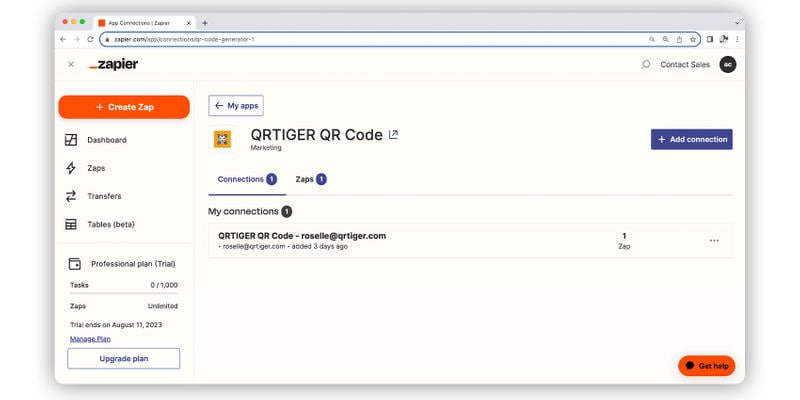
- Not an AI tool itself, but it connects different tools such as Gmail, Slack, and Google Drive.
- Allows users to create Zaps to automate repetitive workflows.
- Integrates with many AI tools to enhance automation.
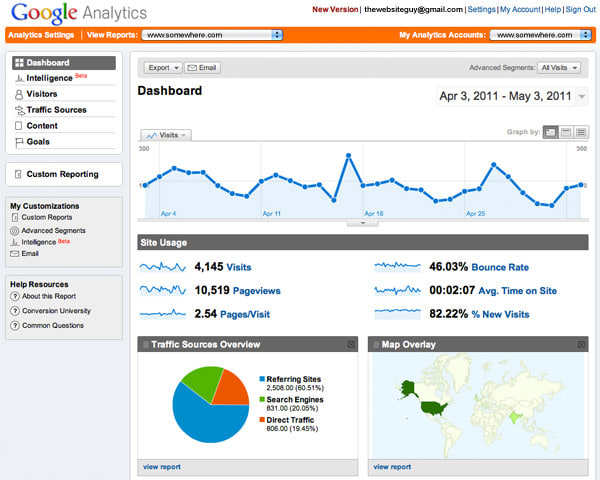
6. Google Analytics: Your Data-Driven Decision Engine
- Uses AI to analyze large datasets and user behavior.
- Provides deep insights to improve marketing strategies and website performance.
- Identifies future trends and highlights strengths and weaknesses in digital performance.
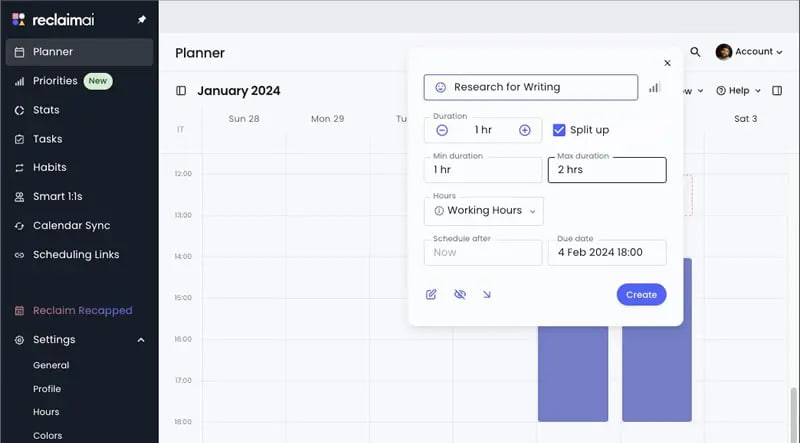
7. ai: Your Time-Saving Calendar Strategist
- Syncs calendars to identify the “ideal time” for personal tasks.
- Learns user patterns to ensure work-life balance.
- Enhances productivity through intelligent scheduling.
8. Canva: Design Superpowers for Non-Designers
- Smart templates and auto-styled graphics.
- Presentations, posters, and visuals in minutes.
- Text-to-image tools for creative content generation.
How AI Is Rewriting the Rules of Personal Productivity?
Today’s high performers don’t succeed by grinding harder—they succeed by working smarter. AI is redefining productivity by enabling faster execution, sharper accuracy, and more room for creativity.
1. Automating Routine and Time-Consuming Tasks
AI-driven automation delivers efficiency across many vital areas of personal and professional productivity, including:
- Communication Management: Automating email sorting and categorization, generating initial replies, and routing inquiries efficiently.
- Schedule Organization: Automatically suggesting and coordinating meetings based on the availability of all parties—while considering time zones and calendar preferences.
- Data Analysis and Reporting: Automatically extracting patterns and insights from large datasets and generating detailed analytical reports in minutes instead of hours or days.
- Workflow and Project Management: Automating task tracking, assigning responsibilities, sending reminders, and updating project status—all helping workflows run smoothly.
- Intelligent Customer Support: Automating responses to common inquiries through chatbots, providing initial support, and directing customers to specialists when needed—enhancing satisfaction and response speed.
2. Personalized Productivity: AI That Knows How You Work
AI uses behavioral analytics to design a tailored productivity experience. It works through three stages:
2.1. Understanding Your Patterns
This includes:
- Monitoring how daily tasks are performed, including the tools used and the time required for each task.
- Collecting data on the time spent on each activity to identify behavioral patterns.
- Understanding the user’s priorities and how they interact with various tools to pinpoint areas for improvement.
2.2. Offering Smart Recommendations
This includes:
- Suggesting improvements to the work schedule, such as identifying the best times for completing complex or highly focused tasks.
- Providing smart shortcuts to automate repetitive processes and save time.
- Offering productivity tools or features that align with the user’s work style to enhance efficiency.
2.3. Implementing Customized Workflows
This includes:
- Integrating AI into the work environment to create smoother, more efficient processes.
- Enhancing team communication through smart platforms that streamline coordination.
- Adjusting software and application settings to match each user’s needs, boosting individual productivity.
3. AI-Driven Data Analysis: Better Insights, Faster Decisions
AI doesn’t just collect data— it interprets it. According to NewVantage Partners (2022), 92% of companies are increasing investments in AI and big data to improve decision-making. Here’s why:
- Analyzing massive amounts of data at high speed: AI can process millions of data points in seconds—something impossible for humans.
- Reducing errors and increasing accuracy: AI-driven decisions minimize human bias and calculation errors.
- Predicting the future and analyzing trends: Using machine learning, AI can forecast future outcomes based on past data and current trends.
- Faster and smarter decision-making: AI provides real-time recommendations based on accurate data, enabling companies to act quickly—seizing opportunities or avoiding risks.
- Improving performance and productivity: AI automates routine processes, allowing teams to focus on high-value tasks that require human creativity.
4. Boosting Creativity: AI as Your Idea Engine
Artificial intelligence has become a powerful driver of creativity, helping generate ideas and craft content in innovative ways. A smart personal assistant can analyze a writer’s style and offer automatic enhancements, making content more impactful and precise based on the user’s needs.
According to Adobe, AI tools can reduce content creation time by up to 80%.
AI enhances creativity through:
- Suggesting new ideas: By analyzing previous content and current trends, AI offers creative suggestions aligned with the user's style and direction, opening new horizons for innovation.
- Improving writing quality: It assists with rewriting, refining tone, enhancing clarity, and strengthening messaging while maintaining the intended voice.
- Automating repetitive creative tasks: Such as formatting text, creating summaries, and proposing engaging article titles—freeing creators to focus on more complex and demanding work.
- Analyzing audience trends: It provides insights on popular topics and trending keywords, enabling the creation of more resonant and impactful content.
Real-World Examples: How AI Is Supercharging Media Productivity
Across the media landscape, AI has quietly become the extra teammate everyone relies on, but no one sees. Newsrooms and digital platforms are using it not just to speed up content creation, but to raise the bar on quality and creativity. A few standout examples:
- The Washington Post: Uses its Heliograf system to produce fast, data-driven news updates—almost like having a tireless junior reporter who never sleeps.
- Forbes: Employs AI to craft financial reports and specialized articles, offering razor-sharp market insights.
- BuzzFeed: Relies on AI to create entertainment content aligned with audience interests.
- Medium: Uses AI-driven recommendations to help writers improve the quality of their articles based on current styles and trends.

Challenges and Future Considerations
AI comes with enormous upside—but the road ahead also includes a few speed bumps. As organizations strive for greater productivity, they must also navigate complex issues such as bias, data protection, workforce disruption, ethics, and long-term sustainability. Here’s what’s shaping the conversation:
1. Privacy and Data Security in the AI Era
AI systems run on massive datasets. That can include everything from your online habits to your purchasing preferences, and sometimes even sensitive health information. Understandably, people want reassurance that their data isn’t floating around like confetti at a parade. Key concerns include:
- Anonymization and safeguarding personal data: Advanced encryption techniques and consent management systems are crucial in providing users with greater control over their data, including who can access it and how it is used.
- Increased vulnerability to cyberattacks: The growing use of AI makes systems more susceptible to cyber threats, as vulnerabilities can be exploited to breach data or manipulate intelligent models.
2. The New Skillset: Working Smarter With AI
Being productive with AI isn’t about understanding how the technology is built, but about knowing how to utilize it effectively. The future workforce (and honestly, the present one) needs a refreshed toolbox. Skills that matter most include:
- Data analysis and decision-making: Understanding how AI interprets data enables people to make faster, more informed decisions rather than relying solely on intuition.
- Data privacy and digital hygiene: Knowing how to protect information—both personal and professional—is a frontline skill in minimizing risk.
- Critical thinking and ethical evaluation: Enables verification of AI-generated information and assessment of ethical implications before applying it.
- Basic tech fluency: You don’t need to be a coder, but a working understanding of programming logic and data concepts makes collaborating with AI tools far easier.
- Time and productivity mastery: When you let AI organize your tasks, surface priorities, and automate the mundane, you reclaim energy for the work that actually matters.
3. The Future of Human-Machine Collaboration in Productivity
We’re moving into a world where machines don’t replace human intuition—they amplify it. Future roles will blend tech literacy with creativity and problem-solving, forming teams where humans and smart tools work side by side.
Think of it as shifting from “man versus machine” to “man with machine”—a partnership designed to unlock what humans do best: imagine, create, and innovate.
The Productivity Playbook of Tomorrow
AI isn’t a passing trend—it’s becoming the backbone of how modern work gets done. The real question is: Are you ready to put it to work for you?
Don’t wait for some future milestone. Start experimenting today. Automate the repetitive. Personalize your workflows. Let AI take the busywork off your plate so you can focus on the ideas, decisions, and creativity that move your life and career forward.
This article was prepared by coach Dr. Ghinwa Itani, a coach certified by Glowpass.



Stay Informed with the Latest Developments